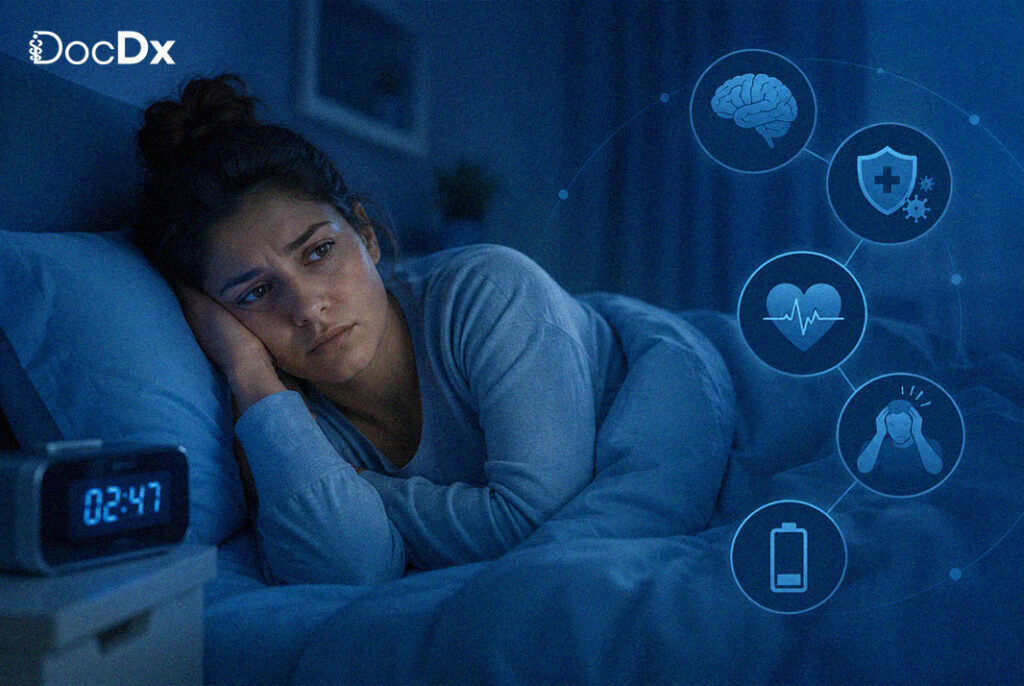
Many people wear a lack of sleep like a badge of honor. Busy work schedules, family responsibilities, and late-night screen time often push sleep to the bottom of the priority list. While missing a few hours of sleep now and then may not seem like a big deal, consistently getting fewer than six hours each night can affect both your physical and mental health.
Sleep is your body’s time to recover. During the night, your brain processes memories, your muscles repair themselves, and your immune system prepares to protect you from illness. Without enough sleep, these important functions don’t work as well.
So, is sleeping less than 6 hours bad for your health? For most adults, the answer is yes. While everyone’s needs are slightly different, regularly sleeping less than six hours is linked to several short- and long-term health concerns.
What Counts as Healthy Sleep?
Most healthy adults need 7 to 9 hours of sleep each night. This recommendation comes from sleep experts and is supported by years of medical research.
Children and teenagers usually need even more sleep because their bodies and brains are still developing.
Healthy sleep isn’t only about the number of hours you spend in bed. Good-quality sleep also means:
- Falling asleep without difficulty
- Staying asleep through the night
- Waking up feeling refreshed
- Feeling alert during the day
If you’re spending eight hours in bed but still wake up tired, your sleep quality may need improvement.
Is Sleeping Less Than 6 Hours Bad for Your Health?
Yes, sleeping less than six hours regularly can affect nearly every system in your body.
Your body relies on sleep to restore energy, regulate hormones, and repair cells. When sleep is consistently shortened, these processes become less effective.
Some of the most common health risks include:
- Reduced concentration
- Mood changes
- Higher stress levels
- Increased risk of illness
- Weight gain
- High blood pressure
- Heart disease
- Type 2 diabetes
The occasional late night isn’t usually harmful. However, chronic sleep deprivation is a different story. Over time, the effects can build slowly, making it harder to notice the impact until health problems develop.
How Sleep Affects Your Brain
Your brain remains active while you sleep.
During deep sleep, your brain organizes information, stores memories, and clears waste products that build up during the day.
Without enough sleep, you may notice:
- Trouble focusing
- Forgetfulness
- Slower reaction times
- Poor decision-making
- Difficulty learning new information
Many people also become more emotional when they’re sleep deprived. Small problems may feel much bigger because the brain has a harder time managing stress.
Students and working professionals often experience lower productivity after several nights of poor sleep.
Sleep and Mental Well-Being
Sleep and mental health are closely connected. Poor sleep can increase feelings of:
- Anxiety
- Irritability
- Sadness
- Frustration
- Low motivation
At the same time, stress and anxiety can make it harder to fall asleep. This creates a cycle that’s difficult to break without healthy sleep habits.
Building a better nighttime routine can make a noticeable difference. Our guide on improving sleep hygiene for better sleep quality explains simple changes that can help you fall asleep faster and wake up feeling more refreshed:
How Sleep Supports Physical Health
Sleep affects much more than your energy level. While you’re asleep, your body works to:
- Repair muscles
- Balance hormones
- Strengthen the immune system
- Support heart health
- Control blood sugar
- Reduce inflammation
People who regularly sleep too little may become sick more often because their immune system doesn’t function as efficiently.
Research also shows that poor sleep may contribute to weight gain. When you’re tired, the hormones that control hunger can become unbalanced, making unhealthy foods more appealing.
Healthy sleep works together with good nutrition and regular exercise. Learn more about the connection between diet, lifestyle, and overall health to understand how these habits support one another.
Common Signs You’re Not Getting Enough Sleep
Sleep deprivation isn’t always obvious. Watch for these warning signs:
- Feeling tired every morning
- Needing caffeine throughout the day
- Falling asleep while watching TV
- Trouble concentrating
- Frequent headaches
- Mood swings
- Reduced productivity
- Getting sick more often
If these symptoms continue for several weeks, it’s important to identify the cause rather than simply drinking more coffee.
Why Some People Sleep Less Than Six Hours
Many factors can reduce sleep. Common causes include:
Busy Schedules – Long work hours and family responsibilities often leave little time for rest.
Poor Sleep Habits – Using phones or tablets before bed can make it harder to fall asleep.
Stress – Financial concerns, work pressure, or personal challenges may keep your mind active at night.
Medical Conditions – Sleep apnea, chronic pain, restless legs syndrome, and other health conditions can interrupt sleep.
Lifestyle Choices – Late-night caffeine, alcohol, or irregular sleep schedules may reduce both sleep quantity and quality.
9 Simple Ways to Get Better Sleep
If you’re regularly getting less than six hours of sleep, don’t feel like you have to fix everything overnight. Small changes can make a real difference.
1. Keep a Consistent Sleep Schedule
Try to go to bed and wake up at about the same time each day. A regular schedule helps your body’s internal clock stay on track.
Keep the same routine on weekends when possible.
2. Create a Calming Bedtime Routine
Give your brain time to slow down before bed. Try:
- Taking a warm shower
- Reading a book
- Listening to quiet music
- Doing gentle stretches
- Practicing slow breathing
Avoid stressful work or intense discussions right before bedtime.
3. Reduce Screen Time at Night
Phones, computers, and televisions can keep your mind active when you’re trying to relax. Try putting devices away about 30 to 60 minutes before bed.
If you need your phone nearby, consider using its night or do-not-disturb settings.
4. Watch Your Caffeine Intake
Caffeine can stay in your system for several hours. Coffee isn’t the only source. Tea, energy drinks, chocolate, and some medications may also contain caffeine.
If you’re struggling to sleep, consider limiting caffeine later in the day.
5. Make Your Bedroom Comfortable
Your bedroom should encourage sleep. Aim for a space that’s:
- Cool
- Quiet
- Dark
- Comfortable
A supportive mattress and pillow can also make it easier to stay asleep.
6. Get Regular Physical Activity
Regular exercise can support better sleep. Even a daily walk can be useful.
Try not to do intense exercise immediately before bedtime if it makes you feel more alert.
7. Limit Long Naps
A short nap may help you feel more alert during the day. However, long or late-afternoon naps can make it harder to sleep at night.
If you nap, keep it relatively short and avoid doing it too close to bedtime.
8. Avoid Heavy Meals Before Bed
Large meals close to bedtime may cause discomfort or heartburn. Give yourself enough time to digest before lying down.
A light snack may be fine if you’re hungry.
9. Take Ongoing Sleep Problems Seriously
If you’ve tried improving your sleep habits but still can’t get enough rest, don’t simply accept it as normal.
Persistent sleep problems may have an underlying cause that needs attention.
When Should You Talk to a Healthcare Provider?
Occasional poor sleep happens to almost everyone. But ongoing sleep problems deserve attention. Consider speaking with a healthcare provider if you:
- Regularly sleep less than six hours
- Have trouble falling asleep most nights
- Wake up repeatedly during the night
- Snore loudly
- Wake up gasping or choking
- Feel extremely tired during the day
- Have difficulty staying awake while driving
- Have persistent changes in mood or concentration
A primary care provider can review your symptoms, health history, medications, and lifestyle. They can also determine whether further evaluation is appropriate.
Sleep, Diet, and Daily Habits Work Together
Better sleep shouldn’t be viewed as an isolated goal.
Your sleep, diet, physical activity, stress levels, and other daily habits all influence one another. For example, poor sleep may make you crave high-calorie foods, while an unhealthy diet may affect energy levels and sleep quality.
A balanced approach is often more realistic than trying to change one habit at a time.
Think of it as a foundation:
Good sleep + healthy food + regular activity + preventive care = stronger overall health.
What If You Feel Fine on Less Sleep?
Some people say they can function normally on four or five hours of sleep. You may even feel like you’ve adapted.
However, feeling okay doesn’t necessarily mean your body is getting everything it needs.
Long-term sleep loss can affect health even when daytime tiredness isn’t obvious. That’s why consistently getting adequate sleep should remain a priority.
A Simple Sleep Goal to Start Tonight
You don’t need a complicated plan.
Start with one realistic goal:
Give yourself enough time to get at least seven hours of sleep.
Then make your bedtime routine consistent. Put your phone away. Keep your bedroom comfortable. Avoid late caffeine. Give your mind time to slow down.
Small changes can add up.
Conclusion
So, is sleeping less than 6 hours bad for your health? If it happens regularly, it can be. Your body needs adequate sleep to support memory, mood, immune function, metabolism, heart health, and daily performance.
The good news is that better sleep is often within reach. Start with simple habits and focus on consistency rather than perfection.
If you’re consistently struggling to sleep, waking up exhausted, or experiencing symptoms such as loud snoring or daytime sleepiness, don’t ignore them. A healthcare provider can help determine whether an underlying issue is affecting your sleep.
Sleep isn’t wasted time. It’s an important part of taking care of your health.